If you own a home in Mill Valley, you already know that buyers here notice more than square footage. They pay attention to light, flow, privacy, and how a home connects to its setting. If you are thinking about updates before a sale, or simply want to invest wisely, the best design moves are usually not the flashiest ones. They are the ones that make your home feel better the moment someone walks in. Let’s dive in.
Why design matters in Mill Valley
Mill Valley is a small Marin city with about 14,000 residents and 6,534 housing units, and the city notes that most of its housing is single-family. The setting matters here. Homes sit among redwood groves, hillsides, and Mount Tam views, and local planning documents put real emphasis on protecting natural beauty, ridgelines, hillsides, and outdoor access.
That context shapes what buyers respond to. With Zillow showing an average Mill Valley home value around $2.14 million and homes going pending in about 11 days, presentation and functionality carry real weight. In this kind of market, updates that improve how a home lives and photographs often do more than highly personal remodel choices.
Start with what buyers feel first
The smartest renovation plan usually starts with immediate impact. Before you think about a major addition or a full gut remodel, look at the details that change the feel of the home right away. That means light, flooring, circulation, storage, and the overall sense of ease.
National remodeling guidance cited in the research points to strong resale returns from smaller, visible upgrades such as hardwood floor refinishing, new wood flooring, insulation, and closet renovation. In Mill Valley, that supports a simple strategy: fix the feel first. If your home feels brighter, cleaner, and easier to move through, you are already creating value.
Focus on light and openness
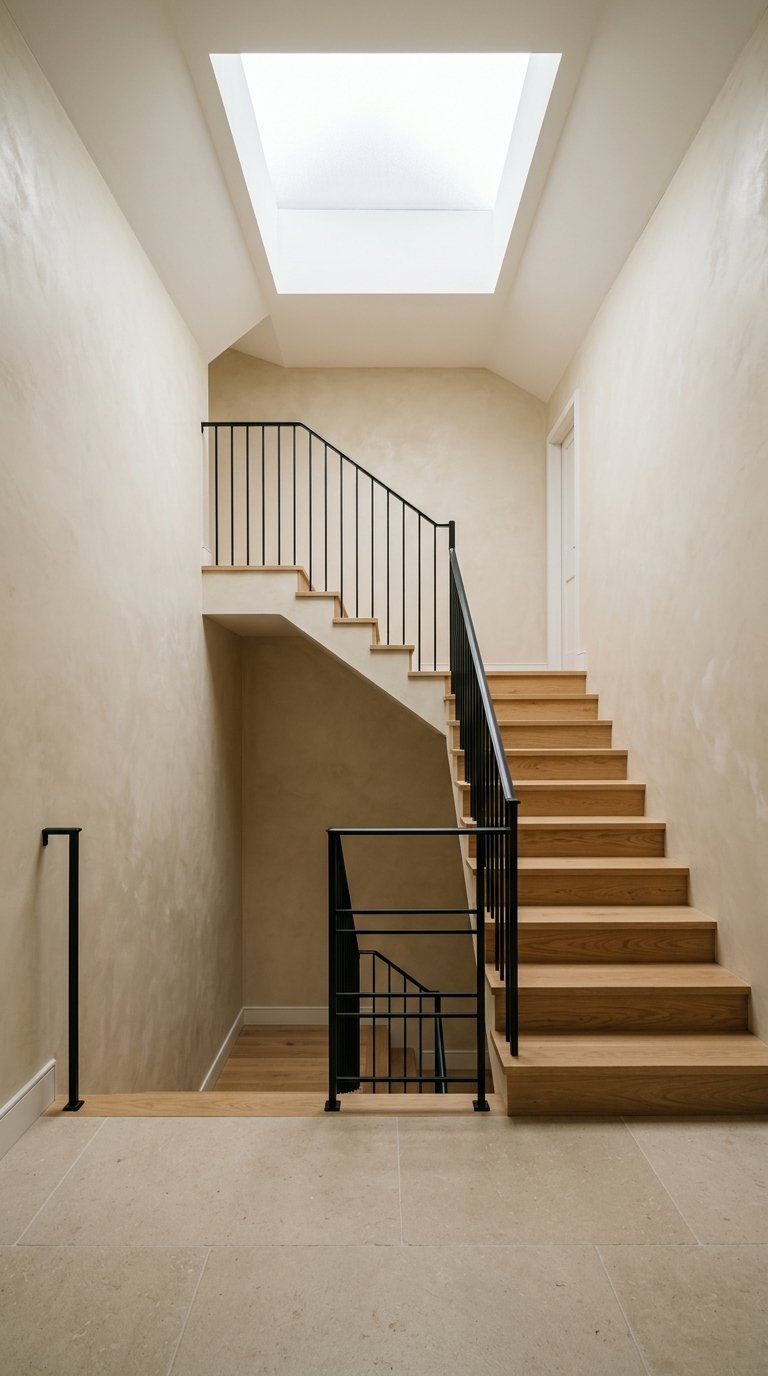
In a wooded hillside setting, natural light can be a major differentiator. Kitchens and baths benefit especially from better lighting, and industry trend reports point to natural light, high-quality lighting, and task lighting as top priorities.
That does not always mean opening every wall. Often, value comes from layered lighting, lighter finishes, and cleaner sightlines. If a room feels dark or visually chopped up, thoughtful changes to paint color, fixtures, surface reflectivity, and layout can make the home feel more current without overcomplicating the design.
Refresh floors and surfaces
Floors do a lot of visual work. Refinished hardwoods or well-chosen wood flooring can make a home feel more cohesive, more cared for, and more move-in ready.
The same is true for tired surfaces throughout the home. If you are choosing between a dramatic statement finish and a durable, photogenic material that works with the architecture, the second option is usually the better bet in Mill Valley.
Improve flow in hillside homes
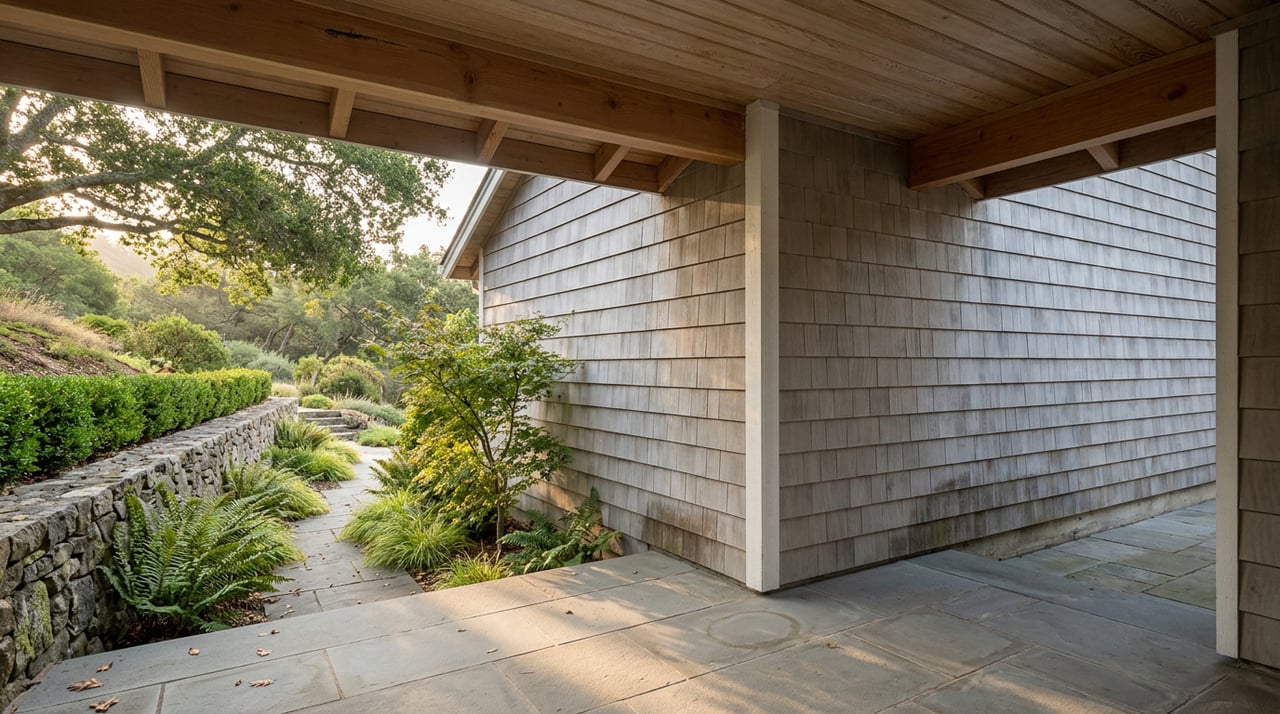
One of the biggest missed opportunities in Mill Valley homes is circulation. Because of the city’s topography, many homes sit on sloped sites with entries, garages, stairs, and outdoor access points that do not follow a simple flat-lot pattern.
Mill Valley’s own guidance notes that garage placement on hilly sites can require major cuts into the hill or leave part of a structure projecting outward. Marin County’s hillside design guidance also asks designers to consider fire protection, solar access, and native, drought-tolerant planting. So instead of forcing a flat-house layout onto a hillside property, it often makes more sense to improve the natural path of the house.
Clarify the daily route
Think about the sequence from the front door to the kitchen, from the kitchen to the living space, and from the living space to the outdoors. If that route feels awkward, broken up, or visually cluttered, buyers will feel it even if they cannot name it.
Sometimes the right move is as simple as removing a pinch point, reworking a doorway, improving stair lighting, or making the transition to an outdoor deck more intuitive. These are not always glamorous projects, but they can make a home feel much more resolved.
Solve functional friction
If your home has odd storage gaps, cramped entries, or disconnected gathering spaces, address those before chasing cosmetic trends. Functional friction tends to stand out in showings, especially in homes where buyers expect a high level of polish.
This is where strategy matters. A thoughtful circulation fix can have more impact than a larger but less useful remodel because it changes how the home is experienced every day.
Create outdoor space people can actually use
In Mill Valley, outdoor living is part of the value story. The city’s zoning code defines usable open space and usable outdoor living area as space that can be efficiently used for recreation and outdoor living. It also recognizes properly developed balconies, porches, and roof decks as potential open-space area.
That is important because not every lot has room for a broad backyard lawn or sprawling patio. On many sites, the best outdoor investment is the one that works with the property you have, not the one that copies a different type of home.
Prioritize function over size
A modest deck with good access, lighting, and room for dining can add more daily value than a larger space that feels disconnected. The same goes for a balcony, porch, or terrace that feels intentional and easy to maintain.
Research cited here also points to strong cost recovery for landscape maintenance, landscape upgrades, patios, and outdoor kitchens. In Mill Valley, the sweet spot is often an outdoor area that looks inviting, is simple to keep clear, and fits the site naturally.
Keep landscaping fire-wise and low maintenance
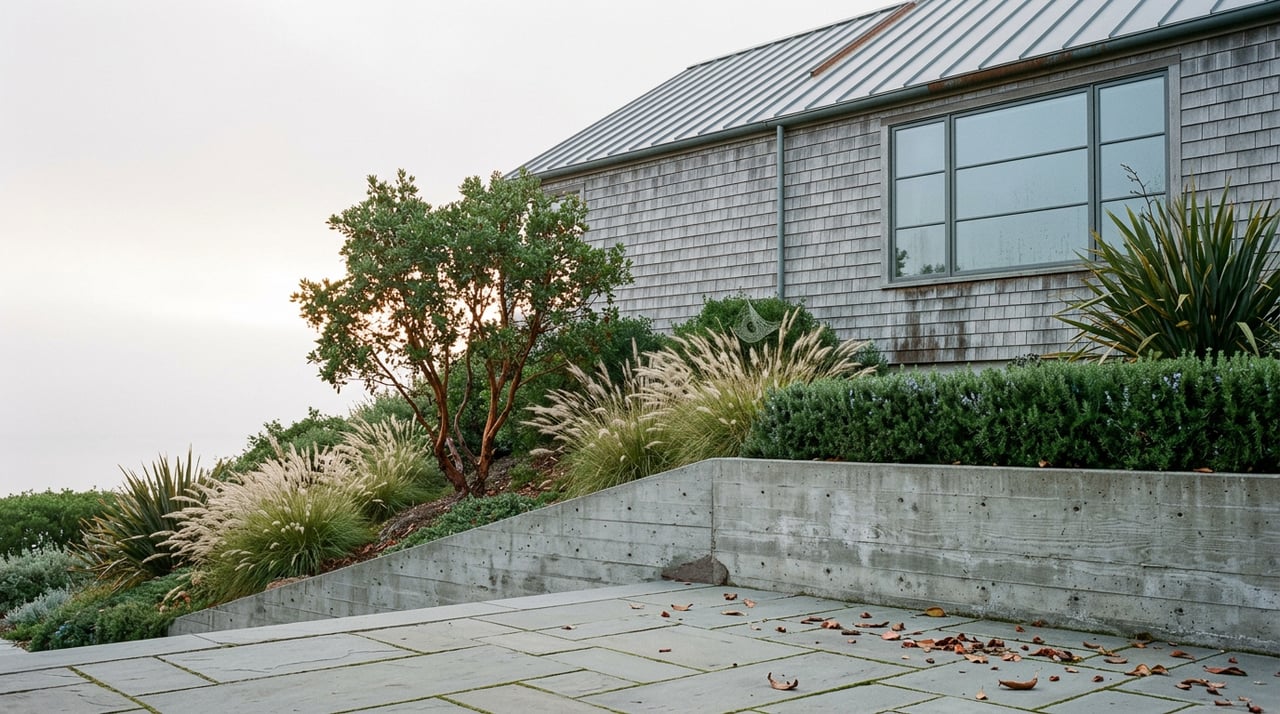
Outdoor design in Mill Valley is not just about looks. The city’s SmartGarden guidance emphasizes native plants and water management, and Marin County hillside guidance recommends native, drought-tolerant, fire-resistant plant species.
That means the best landscape upgrades often combine curb appeal with practical resilience. Clean plantings, defensible spacing, and materials that are easier to maintain can support both presentation and long-term function.
Update kitchens and baths with restraint
Kitchens and baths still matter, but in many Mill Valley homes, a full gut remodel is not the first move. If the layout already works, cosmetic-to-midrange updates can be a better use of budget than starting over.
The research supports that approach. Estimated cost recovery figures place a complete kitchen renovation at 75%, a bathroom renovation at 71%, and a kitchen upgrade at 67%. That suggests there is real value in strategic updates, especially when you focus on durability and broad appeal.
Choose durable, timeless materials
Houzz research shows that many renovators are choosing full backsplash coverage up to cabinets or range hoods, with ceramic, porcelain, quartz, and quartzite among common materials. NKBA trend reporting also points to light neutrals, timeless design, organic and natural styles, wood-faced vanities, and low-upkeep materials as strong bath preferences.
In practice, that means you do not need to chase novelty. You are usually better off choosing materials that photograph well, wear well, and support the architecture of the home.
Invest in lighting quality
Lighting is one of the easiest places to underdeliver in an otherwise beautiful renovation. In both kitchens and baths, lighting quality ranks as a top design consideration in the research.
If you are updating these spaces, think in layers. Ambient light, task light, and accent light each play a role in making the room functional and visually appealing. Buyers notice when a kitchen feels bright and workable, and when a bath feels calm instead of shadowy.
Stage the home through design choices
Good design and good presentation are closely linked. Research cited here found that 29% of agents saw a 1% to 10% increase in offered value for staged homes, and kitchens are among the most commonly staged rooms.
That does not mean you need a heavy-handed makeover. It means your updates should support a home that looks clean, calm, and easy to imagine living in. Durable finishes, cohesive colors, and thoughtful lighting all help a home show better in person and in photos.
Be careful with major additions
A larger addition can absolutely make sense, but it should solve a real functional problem or fit a longer ownership timeline. In Mill Valley, where hillsides, grading, access, and permits can all affect cost and feasibility, bigger is not automatically better.
If you are considering a substantial project, weigh the likely value against the complexity of the site. In many cases, improving the existing home’s flow, light, and outdoor usability is the more efficient path.
Know the local constraints before you start
Mill Valley regulates exterior changes closely, and this is where smart planning matters. Tree-removal permits are required for any Heritage tree, for four or more non-Heritage trees on a developed site in a year, and for any tree on a vacant or undeveloped site.
Fire-wise planning is also part of the local reality. The city says it removes about 300 tons of fire fuel each year and offers home inspections and defensible-space tools, while the Southern Marin Fire Protection District conducts defensible-space inspections in the wildland-urban interface.
ADUs and permit-heavy projects
If your renovation plan could shift into ADU territory, permitting becomes especially important. Mill Valley states that all ADU construction projects require a building permit, and its pre-approval guidance notes that hillside properties may face height limits and added costs for grading and construction staging, including cranes.
That does not mean these projects are off the table. It means the timeline, budget, and value equation should be evaluated clearly from the start.
A practical order of operations
If you want a simple framework for where to invest first, this is the one I would use in Mill Valley:
- Fix the feel first with light, flooring, storage, and visible finish upgrades.
- Improve circulation so the home feels intuitive from entry to living areas to outdoor space.
- Create one strong outdoor room that is usable, attractive, and easy to maintain.
- Refresh kitchens and baths with durable, timeless materials if the layout already works.
- Consider major additions carefully only when they solve a clear functional issue or fit a long hold.
That order tends to align with how buyers experience a home. They notice mood, movement, and usability before they notice square footage on a spreadsheet.
If you are deciding what to update before listing, or trying to make smart long-term improvements, a strategy-first approach usually wins in Mill Valley. The projects that add the most value are often the ones that make your home feel brighter, easier, and more connected to its setting, while still respecting the site, trees, and local permit environment.
If you want candid guidance on which improvements are likely to matter most for your home in Marin, AnneLise Staal can help you think through the tradeoffs, timing, and market positioning.
FAQs
What home updates add the most value in Mill Valley?
- In Mill Valley, the updates most likely to add value are usually the ones that improve light, flow, usable outdoor space, and durable kitchen or bath finishes rather than highly personalized design choices.
Why is circulation important in Mill Valley homes?
- Many Mill Valley homes sit on hillside lots, so improving the path from entry to kitchen to living areas to outdoor space can make the home feel more functional and natural without forcing an awkward layout.
Are outdoor upgrades worth it for Mill Valley properties?
- Yes, especially when the outdoor area is truly usable and easy to maintain, since local code recognizes usable outdoor living areas and research shows solid cost recovery for patios, landscaping, and related upgrades.
Should you remodel a kitchen before selling a Mill Valley home?
- If the layout already works, a strategic kitchen upgrade with durable materials, better lighting, and refreshed surfaces may be a better investment than a full gut renovation.
What should homeowners know about Mill Valley permits before renovating?
- Exterior changes can trigger local review, and homeowners should be aware of tree-removal rules, fire-wise requirements, and the added permitting and site costs that can come with ADU or hillside projects.